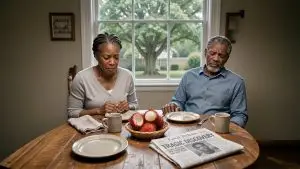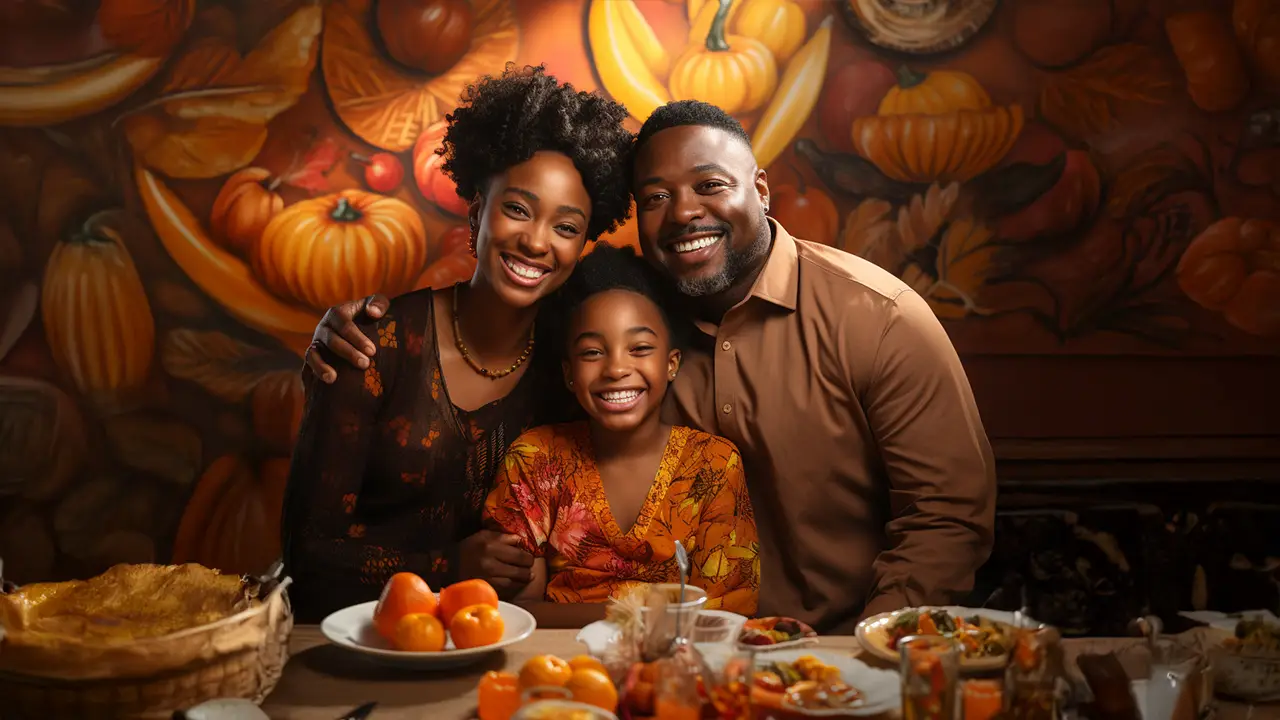

Thanksgiving has always held a special place in the Black community not simply as a holiday centered on food, but as a cultural cornerstone rooted in tradition, resilience, and family. It is the aroma of greens simmering on the stove, sweet potato pies cooling on the counter, aunties debating whose macaroni and cheese is the real deal, and elders telling stories that remind us of who we are and how far we’ve come. But this year, the celebration comes with a painful reality: grocery prices are higher than ever, stretching family budgets and pushing many to make tough decisions about what they can afford to put on the table.
Across the country, the cost of basic staples eggs, bread, turkey, vegetables, and even cooking oil has surged. For many Black families, already navigating wage gaps, rising rents, and inflation, the grocery aisle has become the newest battlefield in the struggle to make ends meet. But even in the face of these challenges, Thanksgiving continues to be a moment of unity, gratitude, and collective strength.
The Rising Cost of a Holiday Meal
The price of a Thanksgiving dinner has risen sharply in recent years, driven by increased transportation costs, supply chain issues, corporate markups, and the lingering effects of inflation. Turkeys, once seen as affordable centerpieces, are now significantly more expensive. Produce prices have climbed, and many canned goods longtime staples of holiday cooking come with new sticker shock.
For Black households, who spend a larger portion of their income on food compared to other groups, even a small price increase has a big impact. Families are being forced to rethink shopping lists, cut back on certain dishes, or look for creative ways to stretch meals.
But this challenge, while real, does not diminish the spirit of Thanksgiving. In fact, it may be strengthening it.
What We’re Still Thankful For
Despite rising costs, Thanksgiving remains a powerful reminder of what money cannot buy.
We are thankful for family. For the joy of seeing loved ones gather around the table, laughing, singing, praying, and passing down traditions that have survived through centuries of struggle.
We are thankful for resilience. Black communities have always found ways to make much out of little, to turn simple ingredients into feasts, and to transform hardship into hope. Our history is filled with examples of stretching food, sharing resources, and making meals that fed both the body and the spirit.
We are thankful for community. From church kitchens to neighborhood potlucks, from cousins showing up with extra dishes to neighbors delivering plates to elders who can’t cook anymore, Thanksgiving reminds us that generosity is a cultural inheritance.
We are thankful for creativity. When food prices rise, we adapt. We swap ingredients, shift menus, and find new ways to honor old traditions. Whether it’s making smaller turkeys, relying on potlucks, or substituting high-priced ingredients with affordable alternatives, the creativity of Black cooking never fails.
Gratitude does not erase struggle, but it does help us focus on what’s still possible and on the blessings that remain abundant even in difficult times.
How the Black Community Can Support Each Other
Thanksgiving is more than a dinner; it is a reflection of the values that have carried Black people through generations: unity, sharing, and collective care. As grocery prices rise, these values become even more essential.

1. Potluck Culture: Sharing the Load
The Black community has long embraced potlucks, especially during holidays. When each person brings a dish, the burden doesn’t fall on one household. Potlucks allow families to keep traditions alive without one person having to buy an entire meal alone.
This year, potlucks aren’t just convenient they’re necessary. Sharing responsibility is a practical way to make sure everyone eats well, regardless of what they can afford.
2. Supporting Black-Owned Grocery Stores, Markets, and Farmers
Buying from Black farmers, small grocers, neighborhood markets, and community gardens helps keep money circulating within the community. These businesses often provide fresh produce at better prices, and supporting them strengthens local economies.
Community gardens and urban farming initiatives many led by Black organizers are also transforming food deserts into places of nourishment and empowerment.
3. Creating Community Food Funds
Some families and churches are setting up Thanksgiving funds or “holiday food drives” where community members donate what they can money, canned goods, or grocery gift cards. These collective efforts ensure that no family is left struggling.
Even a small $5 donation, multiplied by many hands, can make a huge difference.
4. Cooking Together and Teaching Skills
Cooking together not only reduces the burden but also passes down cultural knowledge. Elders teaching younger generations how to prepare holiday dishes is more than a lesson it’s a legacy. When we cook together, we preserve recipes, history, and identity.
5. Checking on Elders and Single-Parent Households
Thanksgiving is the perfect time to show love to those who may be struggling quietly. Bringing a plate, offering a ride to the grocery store, or picking up items for someone who can’t afford everything is an act of community care rooted in our history.
As prices rise, compassion must rise even higher.
Holding Onto Our Traditions
 Thanksgiving in the Black community has never been only about abundance of food it has always been about abundance of heart. No matter what prices look like in the supermarket, the values that hold us together remain unshakeable.
We gather not because we have everything, but because we have each other.
And this year, perhaps more than ever, we are reminded that the foundation of Thanksgiving is not the turkey, not the sides, not the desserts but the strength, hope, and unity that define Black families and Black communities across the country.
Rising food prices may change the menu, but they cannot change the meaning of the holiday. We remain thankful for love, for life, for survival, and for each other.