 February invites reflection. Black History Month is not only a time to revisit familiar names but also to reconnect stories that shaped faith, freedom, and the frontier. This year that reflection feels especially personal with the recent passing of civil rights leader Rev. Jesse Jackson, a man whose life embodied courage, visibility, and relentless advocacy for dignity. His transition arrives as communities across Texas also celebrate the legacy of Black cowboys and gather for cultural traditions like the San Antonio Links Western Gala. Together these moments remind us that Black history rides on many roads at once.
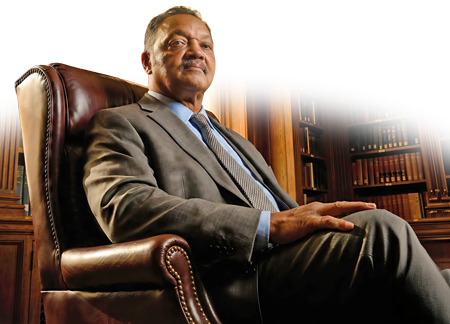
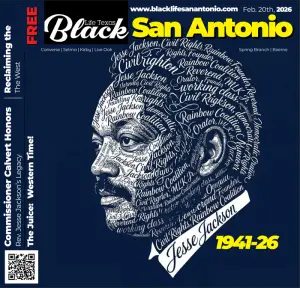
 Rev. Jesse Jackson stood as a towering figure of the Civil Rights Movement. From marching alongside Dr. Martin Luther King Jr. to launching presidential campaigns that expanded the political imagination of America, Jackson transformed protest into policy and pain into possibility. His Rainbow Coalition message centered working class families, voting rights, economic justice, and international human rights. He famously declared I am somebody, a phrase that empowered generations who had been told otherwise. For many Black families in Texas and across the South, Jackson represented both preacher and political warrior. His voice called congregations to the ballot box and challenged America to confront its conscience.
 As we honor his passing, it is fitting that February also shines a light on another often overlooked chapter of Black excellence the story of the Black cowboy. Popular culture long painted the American West as a white frontier, but historians estimate that one in four cowboys after the Civil War was Black. Many were formerly enslaved men who had developed advanced skills in cattle handling, horse breaking, and trail driving. Their labor powered the cattle boom that helped define Texas identity.
Names like Bill Pickett, who invented the rodeo technique of bulldogging, and Myrtis Dightman, who broke barriers at the National Finals Rodeo, stand as proof that Black cowboys were not side notes but central figures. They rode through dust and danger while navigating segregation and racism. Some joined Wild West shows, others formed their own rodeo circuits when excluded from white competitions. Their presence complicates the myth of the Wild West and expands our understanding of who built Texas.
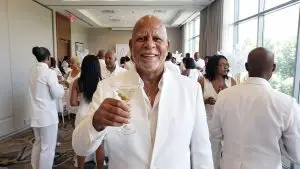
This living history finds contemporary expression in celebrations such as the San Antonio Links Western Gala. The Links Incorporated, one of the nation’s oldest and largest volunteer service organizations of professional Black women, uses the Western Gala to merge heritage with philanthropy. Cowboy hats, boots, and Western flair fill the room, but beneath the fashion is purpose. Proceeds often support scholarships, cultural programming, and community initiatives that uplift future leaders. The event becomes more than a social gathering. It is a cultural statement that Black Western heritage is worthy of spotlight and celebration.
The connection between Rev. Jesse Jackson, Black cowboys, and a Western gala may seem unexpected at first glance. Yet the thread that binds them is visibility. Jackson fought to make Black political power visible on a national stage. Black cowboys defied erasure in a region that often wrote them out of its origin story. The Western Gala ensures that their legacy is not confined to textbooks but lives in community memory.
February provides the canvas for these stories to intersect. Black History Month began as Negro History Week in 1926, founded by historian Carter G. Woodson to ensure that the contributions of African Americans would not be forgotten. Over time it expanded into a month long observance, encouraging institutions, schools, churches, and civic groups to highlight achievements that mainstream narratives ignored. In San Antonio and across Texas, that includes civil rights leadership, ranching traditions, military service, entrepreneurship, and artistic expression.
 The passing of Rev. Jesse Jackson calls for renewed commitment. His life asked America to choose love over hate and justice over complacency. The history of Black cowboys demands recognition of labor and resilience. The San Antonio Links Western Gala demonstrates how celebration can fund progress. All three echo the same message that history is not static. It lives in how communities gather, vote, educate, and give back.
As boots step onto dance floors and tributes rise from pulpits this February, Black history feels both solemn and celebratory. We mourn a legend. We reclaim a frontier. We invest in the next generation. The legacy rides forward not only in memory but in motion, carried by those willing to honor the past while shaping the future.