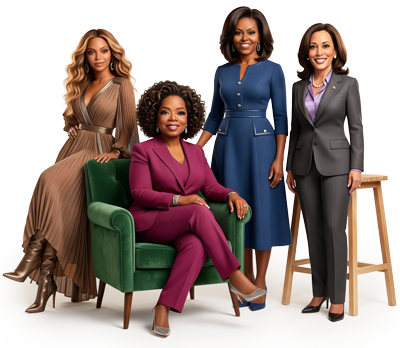
 Women’s History Month provides an opportunity to reflect on the remarkable contributions of women who have shaped American society. Among the most influential figures of the modern era are four Black women whose voices, leadership, and cultural impact continue to redefine what is possible in the United States. Oprah Winfrey, Beyoncé Knowles Carter, Vice President Kamala Harris, and former First Lady Michelle Obama represent power in media, culture, politics, and social influence. Their stories also echo the long struggle and progress of Black women who came before them.
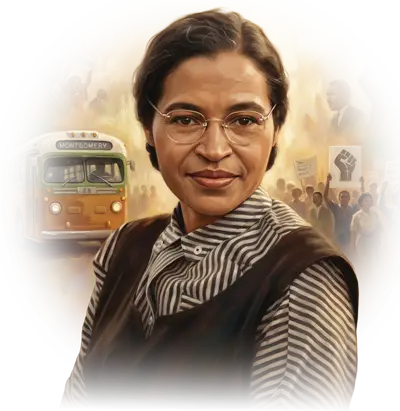
Each of these women stands on the shoulders of pioneers who fought for equality, representation, and opportunity. The courage of Harriet Tubman, the voice of Sojourner Truth, the determination of Rosa Parks, and the activism of countless others created the foundation upon which modern Black women leaders stand today. Because of those sacrifices, a new generation of women has been able to step into spaces that once seemed impossible.
 Oprah Winfrey is perhaps the most recognizable media figure in modern American history. Rising from poverty in Mississippi, she transformed herself into a global media mogul and became one of the most powerful storytellers of the last half century. Through The Oprah Winfrey Show, which ran for 25 years, she changed daytime television by elevating conversations about family, trauma, faith, race, and personal growth. Beyond television, Oprah built a media empire that includes the Oprah Winfrey Network, film and television production companies, publishing, and philanthropy. She also became one of the first Black women billionaires in American history. Her influence stretches far beyond entertainment, helping shape political conversations and inspiring millions of women to pursue education, leadership, and entrepreneurship.
Beyoncé Knowles Carter represents another dimension of modern influence. As one of the most successful entertainers of the 21st century, she has shaped music, fashion, and global pop culture. Beyoncé’s artistic work often celebrates Black identity, heritage, and womanhood. Projects like Lemonade and her historic Homecoming performance placed Black culture and Black women’s stories at the center of global entertainment. Beyond music, Beyoncé has become a powerful businesswoman and philanthropist, building brands and supporting community initiatives across the country. Like Oprah, she has reached billionaire status, demonstrating that Black women can command enormous economic and cultural influence in industries where representation was once limited.
 In the political arena, Vice President Kamala Harris has achieved a historic milestone that reshaped the narrative of American leadership. In 2021 she became the first woman, the first Black American, and the first person of South Asian descent to serve as Vice President of the United States. Harris’s journey from district attorney in San Francisco to California attorney general, then U.S. senator, and ultimately vice president reflects decades of perseverance in spaces where women of color have often been underrepresented. Her election symbolized a breakthrough in American politics and sent a powerful message to young girls across the country that the highest levels of leadership are within reach.
Former First Lady Michelle Obama has also left an extraordinary mark on American society. During her time in the White House from 2009 to 2017, she redefined the role of First Lady through initiatives that focused on healthy living, education, and military families. Her “Let’s Move” campaign encouraged healthier lifestyles for children and families across the country. Since leaving the White House, Michelle Obama has continued to influence millions through her bestselling memoir Becoming, global speaking tours, and education initiatives aimed at empowering young women. For many Black women in particular, Michelle Obama represents grace, intelligence, and strength in leadership. Her presence in the White House helped normalize the image of a highly educated Black woman in one of the most visible positions in the world.
Together these four women demonstrate the broad impact Black women continue to have across American life. Oprah and Beyoncé have shaped the nation’s cultural imagination. Michelle Obama has influenced how Black women are perceived in leadership and public life. Kamala Harris has broken barriers in government and expanded the possibilities of political representation.
Yet their success also raises an important question: is the country fully ready to embrace Black women in leadership? Progress has certainly been made, but recent political events suggest that challenges remain. The loss of prominent Black women candidates and leaders, including figures such as Jasmine Crockett and Georgia’s Stacey Abrams, reminds observers that representation and power are still contested spaces in American politics. Abrams in particular built a national reputation for expanding voter participation and advocating for fair elections, while Crockett has emerged as a strong voice in national political conversations. Their struggles illustrate that even as doors open, the path to leadership is often more difficult for Black women.
Historically, Black women have played central roles in movements for justice while often receiving limited recognition for their work. From civil rights activism to community organizing, their leadership has frequently been the backbone of social progress. Today’s leaders continue that tradition while navigating new challenges in media, politics, and public life.
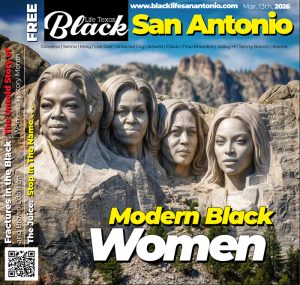 The achievements of Oprah Winfrey, Beyoncé Knowles Carter, Kamala Harris, and Michelle Obama represent more than individual success stories. They symbolize the progress of generations of women who fought for freedom, equality, and opportunity. Their influence demonstrates how Black women continue to shape the direction of American culture, politics, and social change.
As Women’s History Month reminds us, history is not only about the past but also about the future. The legacy of these modern giants of influence will likely inspire the next generation of young women who see in them proof that leadership, creativity, and power can take many forms. Their journeys show that the fight for representation continues, but the possibilities for Black women in America have never been greater.