Climate change isn’t just about rising temperatures, melting glaciers, or shifting weather patterns—it’s about people, especially Black people. From the motherlands of Africa to the streets of New Orleans, climate change disproportionately affects Black communities around the globe. It’s an issue we can no longer afford to ignore, and the consequences of inaction could be devastating for Black nations and populations worldwide.
Africa: The Epicenter of Climate Vulnerability
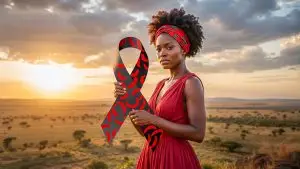
Africa, often referred to as the cradle of humanity, is one of the regions most vulnerable to the impacts of climate change. Despite contributing the least to global greenhouse gas emissions, African nations bear the brunt of climate-related disasters. Droughts are becoming more severe, leading to water shortages, agricultural failures, and food insecurity. With many African economies reliant on farming and agriculture, the future of millions hangs in the balance as crops fail and livestock suffer.
 Countries like Somalia, Ethiopia, and Sudan are already experiencing climate-induced famines, forcing millions to flee their homes. This mass displacement leads to an increase in refugees and political instability across the region. Furthermore, diseases like malaria, which thrive in warmer climates, are likely to spread to previously unaffected areas, putting even more lives at risk.
We can’t forget that Africa’s urban centers—places like Lagos, Accra, and Nairobi—are also feeling the heat. Rising sea levels threaten coastal cities, while erratic weather patterns can bring destructive floods one season and paralyzing droughts the next. And who’s paying for all this? Not the big polluters but the people living in these communities—many of whom already live in poverty.
 Black America: Why We Need to Pay Attention
Here in the United States, Black people might not be thinking about climate change on a daily basis. But trust me, we need to. Climate change is not a distant or abstract issue. It’s already creeping into our neighborhoods, and it’s hitting us harder than others.
Let’s start with health. Black communities often live in areas with poor air quality due to nearby industrial facilities, highways, or landfills—places pumping out pollution at levels far higher than what white communities face. Climate change worsens this problem. Higher temperatures mean more smog, which increases asthma rates, especially among Black children. Did you know Black kids are nearly twice as likely as white kids to suffer from asthma? And it’s not just asthma—extreme heat waves, which are becoming more frequent, also lead to heatstroke and other health issues, and guess what? Black people are more likely to live in neighborhoods without access to cooling infrastructure or green spaces that can help mitigate the effects of heat.
Then there’s housing. Many Black folks live in low-income neighborhoods that are more vulnerable to flooding, whether it’s from hurricanes or heavy rainstorms. Think back to Hurricane Katrina in 2005. The devastation in New Orleans disproportionately affected Black communities, and it wasn’t just because of the storm. Decades of discriminatory housing policies left Black people in areas more susceptible to flooding. As sea levels rise and hurricanes get stronger, we can expect more of the same unless we act now.
 Economic Impacts: A Rising Tide of Inequality
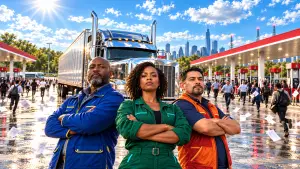
Climate change doesn’t just threaten our health or our homes—it’s also a serious economic issue. The jobs we rely on, the resources we need, and the systems we depend on to survive are all at risk. For instance, Black workers are more likely to hold jobs in sectors vulnerable to climate impacts, like agriculture, hospitality, and manufacturing. When extreme weather events hit or industries face disruptions due to environmental changes, our jobs and livelihoods are first on the chopping block.
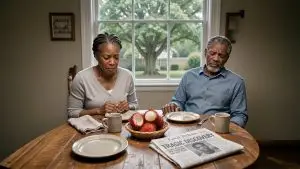
What about food? As climate change affects agricultural production around the world, food prices will skyrocket. Black families, who already face disproportionate rates of poverty, will struggle even more to afford basic necessities. And the reality is that climate change will only deepen the existing wealth gap, leaving Black people further behind.
Global Solidarity: Why We Must Stand Together
It’s not just about Black Americans, though. We have to recognize that climate change is a global issue, and Black people across the world—whether in Africa, the Caribbean, or the U.S.—are all connected in this struggle. If we want to ensure a future for our communities, we have to fight for climate justice on all fronts.
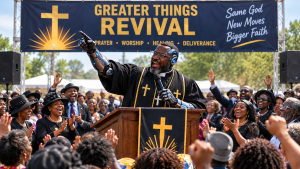
That means holding governments accountable, pushing for policies that prioritize clean energy, and advocating for the protection of our most vulnerable communities. We can’t let corporations and the wealthy continue to pollute while the rest of us suffer the consequences. It also means taking the time to educate ourselves and others about the urgency of this crisis, especially in Black spaces where environmental issues are often pushed to the back burner.
A Call to Action
Climate change isn’t waiting for us to catch up—it’s happening now, and it’s disproportionately affecting Black people around the world. Whether it’s the farmers in Nigeria battling drought or the family in Miami trying to recover after a hurricane, we’re all in this together. Our communities need to be front and center in the fight for climate justice because, let’s be real, if we don’t advocate for ourselves, no one else will.
We’ve been resilient through centuries of oppression, but resilience alone won’t save us from this crisis. It’s time to get organized, get educated, and demand the change we need. Climate change is a Black issue, and it’s high time we start treating it like one.