Easter is one of the most sacred and celebrated days in Christianity, marking the resurrection of Jesus Christ. Yet alongside its deep religious significance, Easter has also developed rich cultural traditions some of which trace back centuries before Christianity itself. Among the most recognizable symbols is the Easter Bunny, a figure that often raises questions about its connection to a holy day.
The origin of the Easter Bunny is believed to come from European pagan traditions celebrating spring and fertility. Rabbits, known for their rapid reproduction, became symbols of new life. When Christianity spread across Europe, many of these seasonal traditions blended with the celebration of Christ’s resurrection. The “Easter hare” eventually evolved into the Easter Bunny, a figure said to bring eggs another symbol of life and renewal. While the bunny may seem far removed from the biblical story, it represents the broader theme of rebirth that aligns with Easter’s spiritual message.
 In Black communities, Easter carries a deeper, layered meaning that goes far beyond symbols and folklore. Alongside Christmas, Easter stands as one of the most attended and celebrated days in Black churches. It is not just a religious observance it is a cultural experience, a family reunion, and a public expression of faith and identity.
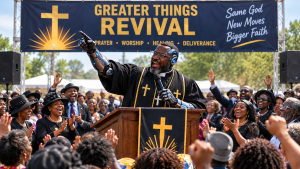
Historically, the Black church has served as more than a place of worship. It has been a center of community life, resistance, and cultural expression. Easter Sunday, in particular, is a time when that expression is on full display. Churches are filled beyond capacity, choirs deliver powerful musical performances, and pastors preach messages centered on resurrection, hope, and liberation messages that have long resonated with the Black experience in America.
One of the most iconic elements of Easter in the Black church is the tradition of dressing in one’s “Sunday best.” For Black women, this often includes the celebrated Easter hat. These hats are not just accessories they are statements. Rooted in African traditions of headwear as symbols of status, dignity, and identity, the Easter hat became a way for Black women to express pride, creativity, and self-worth in a society that often denied them visibility.
The phrase “Hatitude” captures this spirit perfectly. Each hat tells a story, whether it is bold and extravagant or elegant and understated. On Easter Sunday, these hats transform church aisles into something resembling a runway, where faith and fashion meet. It is both a personal expression and a communal celebration of beauty and resilience.
Equally important is the tradition of the “best dressed family.” Easter Sunday becomes an opportunity for entire families to coordinate their attire, presenting themselves with pride and unity. This tradition reflects more than style it reflects values. It is about showing up with dignity, honoring the occasion, and demonstrating a sense of togetherness that strengthens family bonds.
 For many, these traditions are rooted in history. During times when Black Americans had limited opportunities to express wealth or status, clothing became a powerful form of self-expression. Easter provided a moment to present one’s best self to the world, both spiritually and physically.
Today, while styles may evolve, the meaning remains the same. Easter in the Black church is a celebration of resurrection not just of Christ, but of hope, culture, and community. From the symbolic Easter Bunny to the powerful sermons, from the elaborate hats to the sharply dressed families, every element reflects a tradition that is both sacred and deeply personal.
In the end, Easter is more than a holiday. It is a living expression of faith, history, and identity where the past and present come together in celebration of life, renewal, and the enduring spirit of a people.