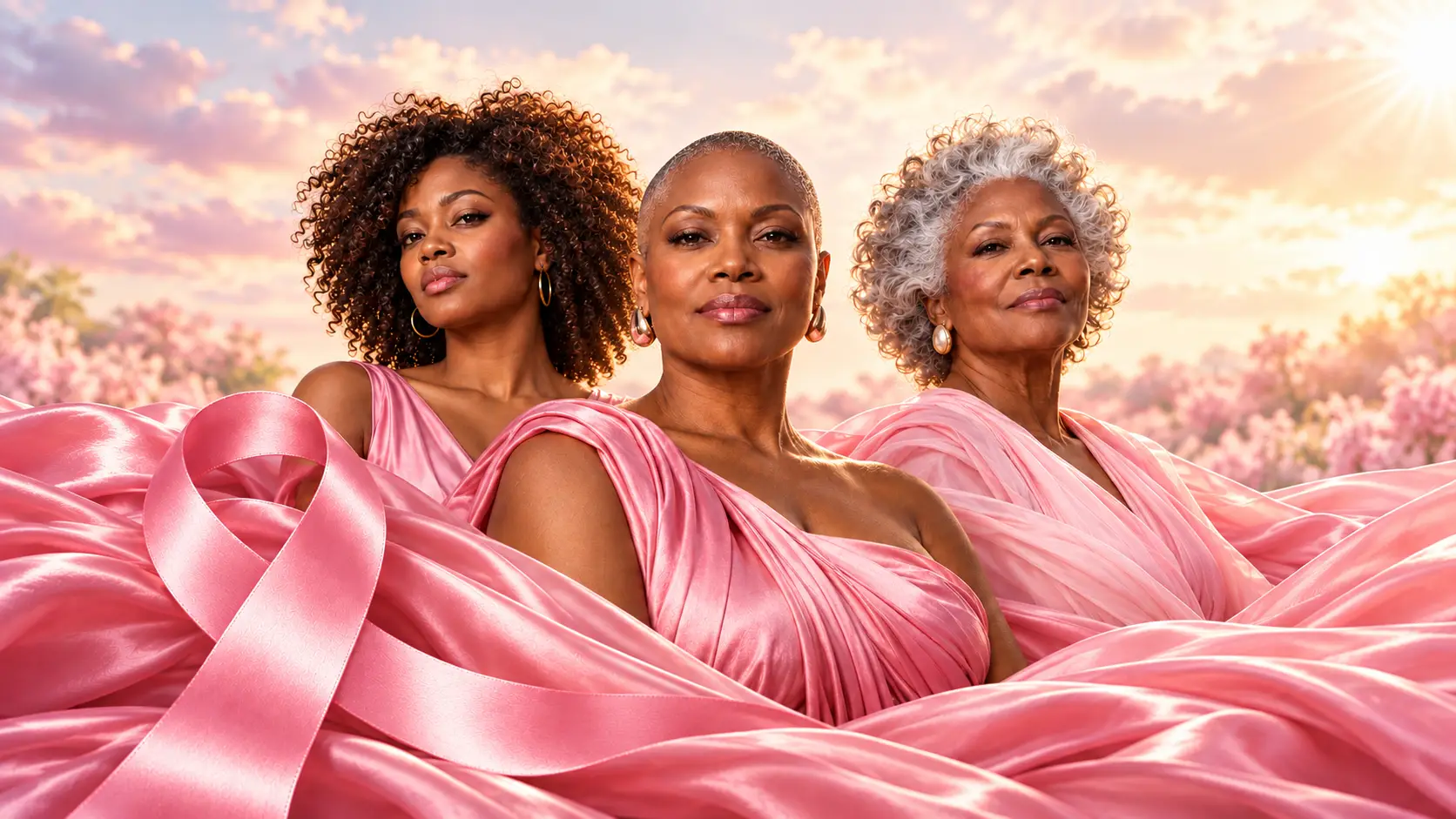
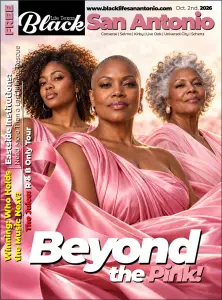
 October’s pink ribbons carry a message of hope, but for Black women, Breast Cancer Awareness Month demands an honest conversation about unequal outcomes. Behind every statistic is a mother, sister, daughter, friend or neighbor whose life deserves timely attention and quality care.
The American Cancer Society reports that Black women have a breast cancer death rate 38% higher than white women, despite slightly lower rates of diagnosis. That gap is not a reflection of personal strength. It points to differences in cancer biology and persistent obstacles to early diagnosis and effective treatment.
Black women are more likely to develop triple negative breast cancer, an aggressive subtype that lacks estrogen receptors, progesterone receptors and excess HER2 protein. These characteristics limit the usefulness of certain treatments commonly used for other breast cancers. However, triple negative disease is treatable, with options that can include surgery, chemotherapy, immunotherapy and other medicines, depending on the individual diagnosis.
Biology does not tell the whole story. Insurance gaps, transportation problems, financial pressures, delayed follow up and unequal access to quality treatment can affect survival. Asking women to get screened must come with helping them obtain appointments, complete additional testing and receive care without unnecessary delays.
Several prominent Black women have shared their experiences, helping replace silence with awareness.
Robin Roberts, co-anchor of Good Morning America, was diagnosed with triple negative breast cancer in 2007 after noticing a lump. Her treatment included a lumpectomy, chemotherapy and radiation. By discussing her experience publicly, Roberts helped make breast health a conversation that reached millions of households.
 Comedian and actress Wanda Sykes learned in 2011 that she had ductal carcinoma in situ, or DCIS, a noninvasive condition involving abnormal cells confined to breast milk ducts. She chose a double mastectomy. Her story highlights how personal treatment decisions can be, and why women need clear explanations of their options rather than assumptions about what everyone should do.
Celebrity experiences offer encouragement, but every woman’s diagnosis and treatment are different. Survival should never be framed as proof that someone fought harder than another patient. Women facing advanced disease deserve the same respect, support and compassion as those celebrating recovery.
Knowing your body matters. Warning signs include a new lump in the breast or underarm, swelling, skin dimpling, nipple changes, discharge other than breast milk, or a change in breast size or shape. These symptoms can have noncancerous causes, but they need medical evaluation. Do not wait for a routine screening appointment to report a new change.
 For women at average risk, the U.S. Preventive Services Task Force recommends mammograms every two years from ages 40 through 74. Other organizations recommend different schedules. Women should discuss their personal risk, family history and screening plan with a clinician. Those at higher risk may need earlier screening or additional imaging.
Family conversations should include both sides of the family. A history of breast or ovarian cancer, especially at younger ages, may prompt discussion about genetic counseling. Knowing that history can help guide care, but having no family history does not eliminate risk.
For women concerned about cost, the CDC’s National Breast and Cervical Cancer Early Detection Program provides free or low cost screening to eligible women. Ask a clinic about enrollment and assistance.
This October, support can be practical: offer transportation, help with childcare, deliver a meal or accompany someone to an appointment. Listen without demanding optimism.
Black women deserve more than awareness. They deserve to be heard, evaluated promptly and treated equitably. A pink ribbon becomes meaningful when the community behind it helps turn concern into action, and action into a better chance at life.